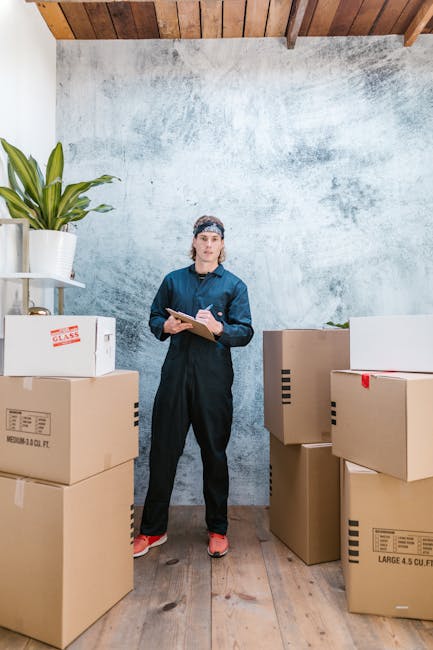
Essential checklist for packing fragile items for UK to Germany removals
Moving fragile belongings from the UK to Germany is one of those tasks that looks simple until you are standing in front of a stack of glassware, framed prints, lamps, and that one awkward antique that nobody wants to be responsible for. A cross-border move adds extra handling, longer transit time, and more chances for things to shift, so the essential checklist for packing fragile items for UK to Germany removals is not just a nice-to-have. It is the difference between arriving in Germany with everything intact and spending your first evening untangling bubble wrap and regret.
In this guide, you will get a practical, step-by-step packing system that actually works in real life. We will cover how to prepare fragile items, what materials to use, how to label and load them, common mistakes to avoid, and when it makes sense to use professional help such as packing and unpacking services. If you want a calmer move and fewer broken bits at the other end, start here.
Why this checklist matters
Fragile items do not fail all at once. They usually fail in small stages: a box packed too loosely, a plate stacked on edge, a mirror sliding inside its wrap, or a label that never made it to the van. On a UK to Germany removal, those small issues can become expensive problems because the journey is longer, the vehicle may be loaded and unloaded more than once, and the route itself can involve a fair bit of vibration. Not dramatic. Just enough movement to do damage.
The checklist matters because it gives you a consistent method. That is the real point. You are not relying on memory on moving day, when you are tired and somebody is asking where the kettle is. You are following a system that protects the items most likely to break: glass, ceramics, mirrors, artwork, electronics, ornaments, and sentimental pieces that cannot be replaced with a quick online order.
There is also a time-saving angle. Well-packed fragile items are faster to load, easier to identify, and less likely to need repacking at the last minute. And if you are using a service such as removal services or comparing removal companies, a tidy, labelled packing job usually makes the whole move smoother. In our experience, that calm, organised feeling on move day is worth a lot.
Expert summary: Treat fragile packing as a risk-management job, not a wrapping exercise. The goal is to stop movement, absorb impact, and make handling obvious at every stage.
How this fragile-item packing works for UK to Germany moves
The method is straightforward, but it needs discipline. You start by sorting fragile items by type and breakability. Then you choose the right box size, add cushioning, wrap each item separately, fill all voids, label the box clearly, and keep the heaviest fragile items low and central in the load. Simple enough on paper. In real life, the tricky bit is resisting the temptation to pack "just one more thing" into a nearly full box. Don't. That extra mug is often the one that causes the shift.
For longer-distance removals, the packing should account for three kinds of movement: vertical movement from lifting, side-to-side movement from transport, and micro-shocks from road vibration and braking. Good packing reduces all three. The box should feel firm, not airy. If you gently shake it and hear items moving, it is not ready.
If you are moving a whole household, it helps to pair this system with the broader move plan. Many people organise the main shipment through home moves and then handle smaller specialist pieces separately. That approach is often less stressful, especially if you have a few objects that need extra care.
Think of the process like building a small protective shell around each item. That shell should stop contact between items, keep corners cushioned, and remove empty space. If you get those three things right, you have already solved most of the problem.
Key benefits and practical advantages
Good fragile packing is not just about avoiding breakage. It improves the whole move.
- Fewer losses: Proper cushioning and box choice reduce the risk of cracks, chips, and shattering.
- Less stress: Clear labels and organised cartons make move day much easier to manage.
- Better loading: Fragile items can be placed where they belong in the vehicle, rather than squeezed in wherever there is room.
- Faster unpacking: You will know exactly what is in each box and where to place it at the other end.
- Lower repacking risk: A well-packed box is less likely to be reopened and adjusted under pressure.
There is also a subtler benefit: confidence. When you know the plates, wine glasses, lampshades, and framed pictures are packed properly, you stop worrying about them every five minutes. That matters more than people think. Moving is exhausting enough without mentally checking the same box over and over.
For people moving business equipment or specialist items, the same logic applies. Office glassware, display pieces, monitors, and document frames often benefit from the same careful process used in office relocation services. The item type changes, but the packing principles do not.
Who this is for and when it makes sense
This checklist is useful for almost anyone moving fragile items from the UK to Germany, but it is especially relevant if you are:
- moving a full household with kitchenware, mirrors, art, and ornaments;
- relocating from a flat where space is tight and boxes need to be packed efficiently;
- shipping antiques, family keepsakes, or one-off items you really cannot replace;
- moving partly by yourself and partly with a man with a van or similar support;
- organising a larger move where fragile packing needs to be coordinated with loading and transit;
- preparing items for storage before they continue on to Germany.
It also makes sense if you are simply not a confident packer. That is completely normal. Some people are brilliant at wrapping glasses; others are brilliant at literally anything else. No shame in that. If packing fragile items is not your thing, professional help from a removal company can save time and reduce risk.
And yes, it is just as relevant for smaller moves. A few carefully packed boxes can cause more hassle than a whole room of furniture if they contain breakables and have been packed badly.
Step-by-step guidance
Below is the practical method we recommend. Keep it simple, stay consistent, and do not rush the first box because you are keen to "get it done." That is where the wobble starts.
1. Sort fragile items by type
Gather items into groups: glassware, ceramics, plates, cookware, bottles, mirrors, framed art, electronics, and decorative pieces. This helps you choose the right wrapping and the right box size. A pile of mixed items is where fragile packing goes off the rails fast.
2. Choose strong boxes in the right sizes
Use sturdy cartons that can hold weight without bowing. Small and medium boxes are usually better for fragile items than one huge box. Large boxes invite overpacking, and overpacking invites breakage. It's that boring, annoying truth nobody likes.
3. Reinforce the base
Seal the bottom carefully with strong tape. Use an extra strip along the seam if the box will hold heavier fragile items. If the box base gives way, the rest of the packing won't matter much.
4. Add a cushioning layer
Place crumpled paper, foam, or soft packing material at the bottom. This gives the contents a buffer before any item touches the base. Think of it as the shock absorber for the box.
5. Wrap each item individually
Never wrap multiple fragile pieces together unless they are already protected by dividers or purpose-made inserts. Plates should be wrapped separately or stacked with padding between them. Glasses need a gentle wrap around the stem and bowl, not just a casual bundle of paper around the outside. If you can still hear hard surfaces knocking together, wrap more.
6. Use paper or soft padding inside hollow items
Mugs, vases, and bowls often benefit from being filled with light cushioning so they do not collapse inward if pressure is applied. Just avoid stuffing so tightly that the item itself is stressed. A little support, not a full yoga retreat inside the mug.
7. Place the heaviest fragile items at the bottom
Heavier fragile items should sit low in the box, with lighter items above them. Keep weight balanced and avoid putting heavy glass on top of delicate ceramics. That way, the load stays stable in the van and does not tilt every time someone lifts it.
8. Fill every gap
Any empty space inside the box means movement. Use packing paper, foam, or soft material to stop the contents from shifting. When you gently close the box, the items should feel snug. Snug is good. Rattling is bad. Very bad.
9. Seal and label clearly
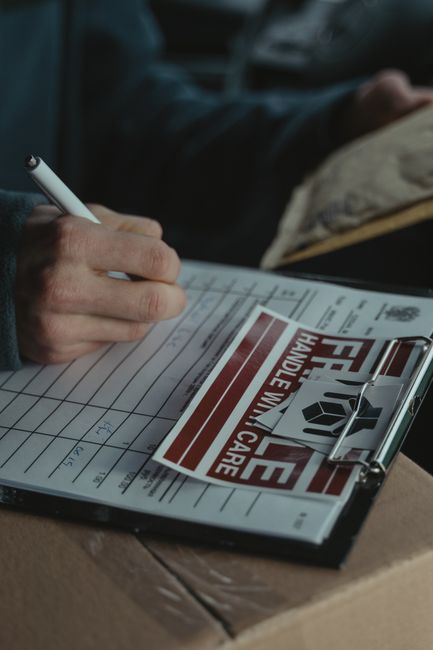
Use strong tape across the top seam and label the box on multiple sides with words like Fragile, This Side Up, and a short content description such as Kitchen glasses or Framed pictures. If boxes are going into different rooms, add destination room names too.
10. Keep a small essentials box separate
If you have a few precious items you want to unpack first, keep them in a clearly marked box and transport them with extra care. Some people even keep a personal fragile box in the car. Sensible, really.
11. Photograph valuable items before packing
Take quick photos of the condition of high-value or sentimental fragile items before they are wrapped. This is not about expecting trouble; it is about having a record and peace of mind. A minute now can save a lot of back-and-forth later.
12. Plan the loading order
Fragile boxes should usually go where they will not be crushed, preferably upright and away from heavy furniture. If you are using movers, make sure they know which boxes need extra attention and which ones can be stacked more securely. Clear communication here is everything.
Expert tips for better results
A few small habits make a surprisingly big difference.
- Pack by category, not by room alone. A "kitchen fragile" box is easier to handle than one mixed box of random bits and pieces.
- Use more small boxes than fewer large ones. Your back and your dishes will both thank you.
- Double-wrap especially fragile items. This is useful for glass ornaments, picture frames, and high-value ceramics.
- Keep the box weight manageable. If a carton feels awkward to lift, it is probably too full.
- Use dividers for glasses where possible. They reduce movement and prevent contact points.
- Allow extra time for wrapping. Everyone underestimates this. Always.
A small real-world tip: place a soft towel or blanket between stacked fragile boxes if they will travel close together. It is not a miracle fix, but it can help reduce surface pressure and minor shifting. Little things add up.
If you are booking a vehicle separately, the right size matters too. A suitable removal van or moving van helps keep fragile boxes secure rather than wedged in awkwardly around furniture. The wrong load shape can undo good packing in a hurry.
Common mistakes to avoid
Most fragile-item damage comes from a handful of avoidable mistakes. Once you know them, they become easier to spot.
- Using oversized boxes: Too much empty space allows movement and crushing.
- Wrapping too loosely: Thin or partial wrapping offers very little protection.
- Mixing heavy and light items: This creates pressure points and instability.
- Leaving voids in the box: Even a small gap can let something shift and chip.
- Ignoring labels: If nobody knows the box is fragile, it will be treated like any other carton.
- Overloading one person's box: Heavy boxes get dropped more often. Simple as that.
- Using weak tape or old boxes: Reused boxes can fail, especially on longer journeys.
Another common issue is packing too late. Last-minute wrapping tends to be rushed, and rushed packing is where the cracks appear. Literally sometimes. If you only have time to do one thing properly, do the fragile items first.
People also forget that the van journey is only part of the movement. Loading, unloading, stairwells, door frames, and temporary storage can all introduce impact. If an item can survive the ride but not the stairwell, it still needs better protection.
Tools, resources and recommendations
You do not need a warehouse full of gear, but having the right materials on hand makes fragile packing much easier. Here is the basic kit:
- strong small and medium boxes;
- high-quality packing tape;
- packing paper or unprinted paper;
- bubble wrap or soft wrap for extra cushioning;
- box dividers for glassware;
- marker pens for clear labels;
- scissors or a tape cutter;
- soft blankets or towels for extra layering;
- sticky labels for room names or priority items.
If you want to reduce the packing workload, professional help can be worth considering. Some people only need guidance and materials; others want a full service that handles packing, loading, and unpacking. The option that suits you may depend on time, confidence, and how many fragile items you actually own. We all pretend it's "not that much" until the kitchen table is covered in wrapped glassware.
For larger household or shared-property moves, it can be useful to coordinate fragile packing with a broader moving plan through house removals or, for smaller consignments, man and van removals. The best choice depends on the size of the shipment and how much handling you want to avoid.
Law, compliance, standards, and best practice
Fragile packing itself is not usually a legal issue, but a cross-border move does bring practical responsibilities. Items must be packed safely for transit, the load should be secure, and any hazardous or restricted items need separate consideration. Common-sense safety is the main standard here, and it matters because poorly packed goods can shift, spill, or break in transit.
Best practice in the removals industry is to use packaging that is fit for purpose, keep breakables clearly identified, and avoid loading patterns that put pressure on vulnerable items. That is especially important on longer international journeys where vibration and handling are part of the process.
You should also review the mover's own safety and service terms before travel. Pages such as insurance and safety, terms and conditions, and health and safety policy can help you understand how the company approaches risk, responsibility, and service expectations. That is not legal advice, just sensible due diligence.
If you are disposing of damaged packing materials or surplus items before the move, it is also worth thinking about recycling and waste handling in a responsible way. A clean, organised packing process usually produces less unnecessary waste, which is good for everyone. Including your hallway.
Options and comparison table
There is more than one way to pack fragile items, and the right method depends on the item, your budget, and how much time you have. Here is a simple comparison.
| Method | Best for | Advantages | Watch-outs |
|---|---|---|---|
| Standard self-packing | Everyday fragile household items | Low cost, flexible, full control | Needs time, care, and good materials |
| Professional packing support | High-value, delicate, or time-sensitive items | Reduces stress and handling errors | Higher cost than doing it yourself |
| Hybrid packing | Mixed moves with some valuables and some ordinary items | Good balance of cost and protection | Requires clear coordination |
| Item-specific crating or special packing | Artwork, mirrors, antiques, awkward shapes | Best protection for unusual pieces | More material-heavy and sometimes slower |
If you are not sure which route to take, a hybrid approach is often the sweet spot. Pack ordinary items yourself, then get help with the trickier pieces. That keeps costs sensible without cutting corners where it matters most.
Case study or real-world example
A family moving from the South East of England to Munich had a lot of fragile items tucked through the house: six wine glasses from a wedding set, two mirrors, a ceramic lamp base, several framed prints, and a box of inherited ornaments that had been passed around carefully for years. Nothing wildly expensive, but plenty that mattered.
They started by sorting everything into categories and using small boxes for the glassware. The mirrors were wrapped separately, then padded with folded paper at the corners. The ceramic lamp base was packed upright with void filling around it, and the ornaments were grouped into a single box with extra cushioning and a very obvious label. They also kept one "open first" box aside for the pieces they wanted immediately available in Germany.
The main difference, they said afterwards, was not just that nothing broke. It was that unpacking felt calm. No frantic digging. No wondering which box had the good glasses. No surprise clatter when someone lifted a carton too fast. That sort of move feels different, even when you're knackered. You just know it has been done properly.
For them, working with a removal service and using a sensible packing plan made the whole process feel manageable rather than chaotic. Honestly, that is often the win people are after.
Practical checklist
Use this checklist before fragile items leave the house. Print it, tick it off, scribble on it, whatever works.
- Sort fragile items by type and priority.
- Choose strong small or medium boxes.
- Reinforce box bases with strong tape.
- Add cushioning to the bottom of each box.
- Wrap each fragile item individually.
- Protect corners, handles, stems, and edges first.
- Fill any hollow spaces or gaps inside the item where appropriate.
- Use dividers for glasses or similar items.
- Place heavier fragile pieces low in the box.
- Keep weight balanced and manageable.
- Fill all voids so nothing can shift.
- Seal boxes securely on top and bottom seams.
- Label every box clearly as fragile.
- Add the room name and a brief contents note.
- Photograph valuable or sentimental items before packing.
- Keep especially important items accessible for arrival day.
- Tell the mover which boxes need extra care.
- Check your boxes once more before loading begins.
If you want to reduce the physical strain and speed things up, it can also help to combine the checklist with the right vehicle and service choice. For some moves that means a removal van; for others it may be a fuller setup through removals support or a tailored package. The point is to match the method to the move, not guess and hope for the best.
Conclusion
Packing fragile items for a UK to Germany removal does not need to be a nerve-racking puzzle. Once you have a proper checklist, the process becomes predictable: sort, wrap, cushion, fill, label, and load with care. That rhythm protects the things that matter and makes the whole move feel more under control.
The real secret is not fancy materials or complicated techniques. It is consistency. Every box packed the same careful way. Every label easy to read. Every gap filled. That is what keeps glass from clinking, frames from shifting, and your mood from collapsing on the motorway somewhere between Dover and Dusseldorf. Small things, done well, make a big difference.
If you are comparing moving help, looking at costs, or weighing up whether to do the fragile packing yourself, it is worth exploring options on the site and choosing the support level that fits your move. A bit of planning now can save a lot of stress later, and honestly, that first unbroken cup in Germany will feel surprisingly satisfying.
Get a free quote today and see how much you can save.
Frequently Asked Questions
What is the best way to pack fragile items for a move from the UK to Germany?
The best approach is to wrap each item individually, use sturdy small or medium boxes, add cushioning at the base and around the contents, fill any gaps, and label the box clearly as fragile. The goal is to stop movement and prevent items touching each other.
Should I use bubble wrap, packing paper, or both?
Both can be useful. Packing paper is great for wrapping and filling spaces, while bubble wrap adds extra cushioning for especially delicate or high-value items. The most important thing is that the item cannot shift inside the box.
Are large boxes bad for fragile items?
Usually, yes. Large boxes invite overpacking and create empty space, which increases movement and breakage risk. Small and medium boxes are safer for glassware, ceramics, and ornaments.
How do I pack glasses so they do not break?
Wrap each glass separately, protect the stem and rim carefully, use dividers if possible, and place glasses upright in a box with cushioning at the bottom and between rows. Never let them knock against each other.
Can I put fragile boxes with heavy furniture in the van?
Not ideally. Fragile boxes should be loaded where they will not be crushed or squashed. They should stay upright and be kept away from heavy furniture whenever possible.
Should I mark boxes as fragile even if the mover knows what is inside?
Yes. Clear labels help everyone during loading, transit, and unloading. It is a simple extra cue that reduces handling mistakes, especially on busy moving days.
What fragile items need the most protection?
Glassware, mirrors, artwork, lamps, antiques, ceramics, and sentimental one-off items usually need the most care. Anything with corners, stems, or a thin surface is more vulnerable than it looks.
Is professional packing worth it for fragile items?
It can be, especially if you have high-value items, limited time, or little packing experience. Professional packing support can reduce stress and lower the chance of mistakes.
How far in advance should I pack fragile items?
Start earlier than you think you need to. Many people leave fragile packing too late and then rush it. A few evenings of careful packing is far better than one frantic final night.
What should I do with especially valuable or sentimental items?
Pack them separately, photograph them before the move, and consider carrying them yourself if that feels safer. If they are too awkward or delicate, speak to your removal provider about extra protective handling.
Do I need different packing for a long-distance move to Germany compared with a local move?
Yes, usually you do. Longer journeys mean more vibration, more handling, and more chances for movement. That is why tight packing, good cushioning, and clear labels matter even more for international removals.
Where can I find more help with removal planning?
You can look at related services such as removal services, packing and unpacking services, and pricing and quotes to compare options and decide what level of support makes sense for your move.